

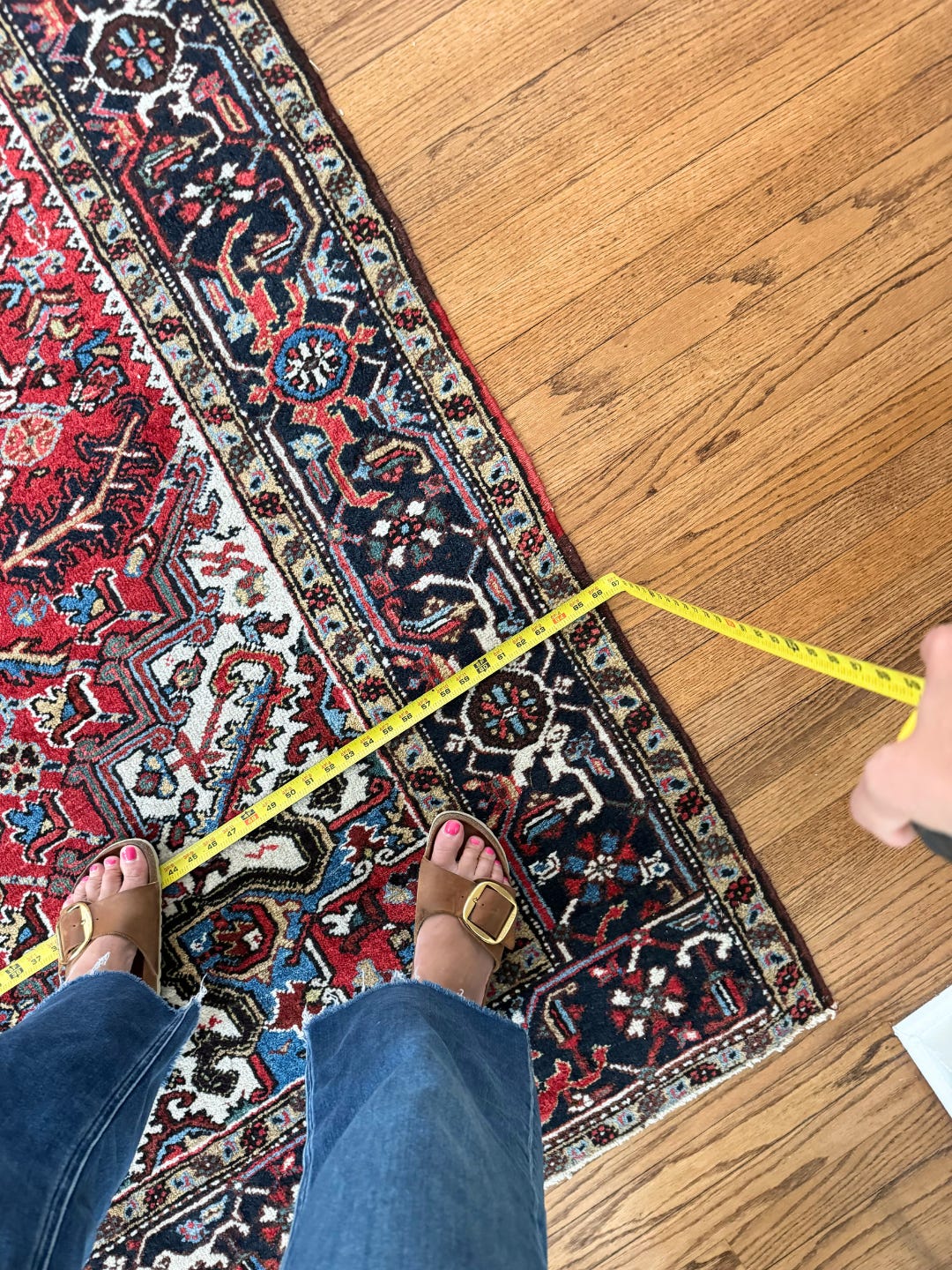
I measure everything.
And I mean everything. 😂
But here’s the thing: knowing the width of your wall or the size of your dining room doesn’t necessarily mean you know what will actually work there.
A sofa can technically fit on the wall and still be completely wrong for the room.
A dining table can fit perfectly… until everyone pulls their chairs out.
An 8’ x 10’ rug can sound HUGE online and somehow look tiny when it shows up.
And don’t even get me started on the sofa that fits perfectly in the living room but doesn’t fit through the doorway.
That’s why when I’m measuring a room, I’m not really asking:
“Will it fit?”
I’m asking:
“Will it work?”
Those are two very different things.
So before you order the sofa, fall in love with the chandelier or convince yourself that rug is definitely big enough, here’s what I’m actually measuring.
1. THE SOFA: DON’T JUST MEASURE THE WALL.
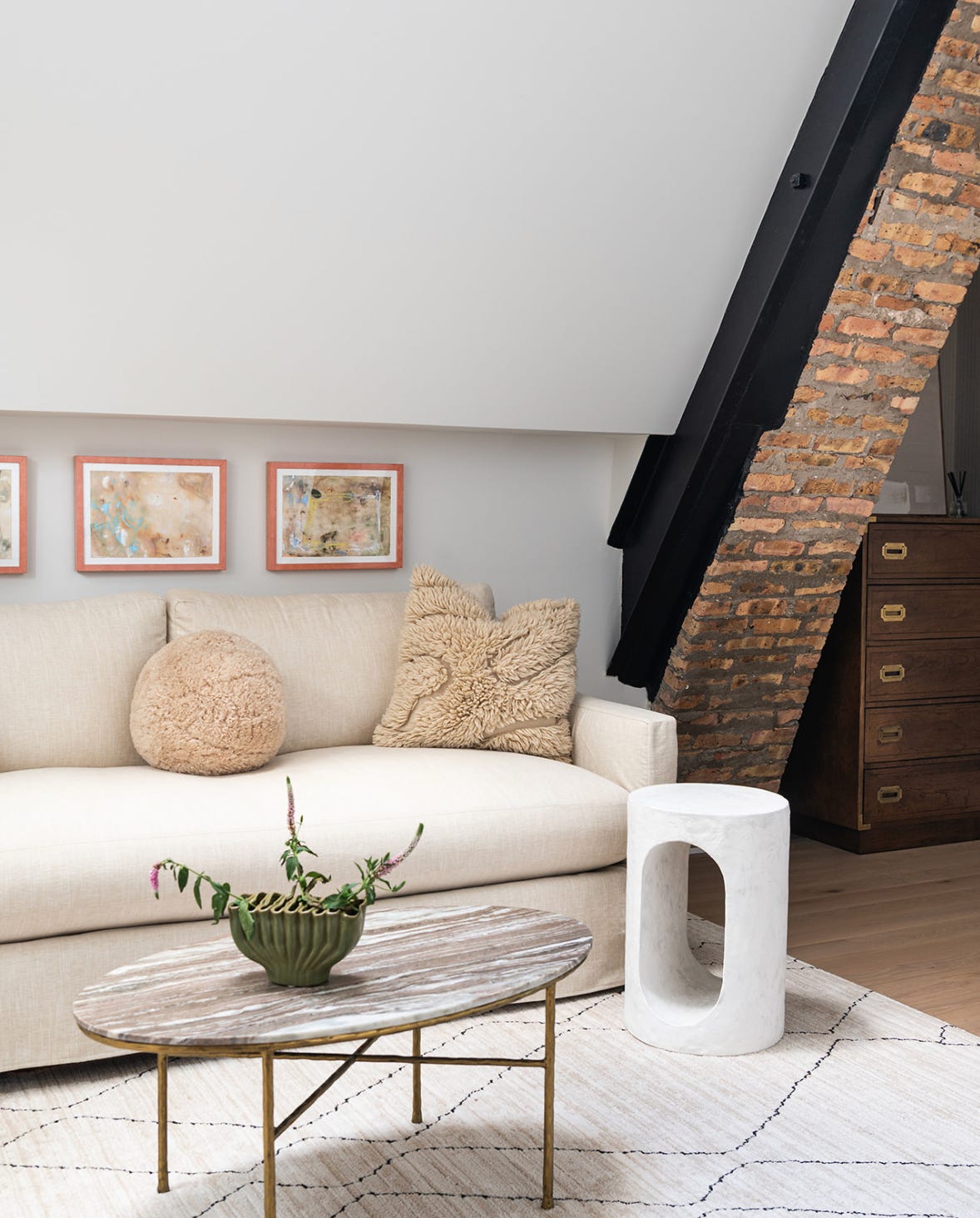
Obviously, I want to know how much space we have for the sofa.
But I also want to know how that sofa is getting there.
The front door. The hallway. The stairwell. The elevator. Tight corners. Every doorway between outside and where that sofa is eventually going to live.
Because I don’t care how perfect it is for your living room if we physically cannot get it into your living room. 😂
Then I’m looking at what happens around it.
Can you comfortably walk past it?
Is there room for side tables?
How close will the coffee table be?
Does the sofa swallow the entire room?
Or is it going to look teeny-tiny against a huge wall?
MEG TIP:
Grab some painter’s tape and mark out the entire footprint of the sofa on your floor.
Then walk around it.
Seriously.
It’s one of the easiest ways to understand how that sofa is actually going to feel in your space before you buy it.
Don’t just measure where the sofa goes. Measure the life happening around it.
2. THE RUG: BIG ON PAPER DOESN’T ALWAYS MEAN BIG IN THE ROOM.
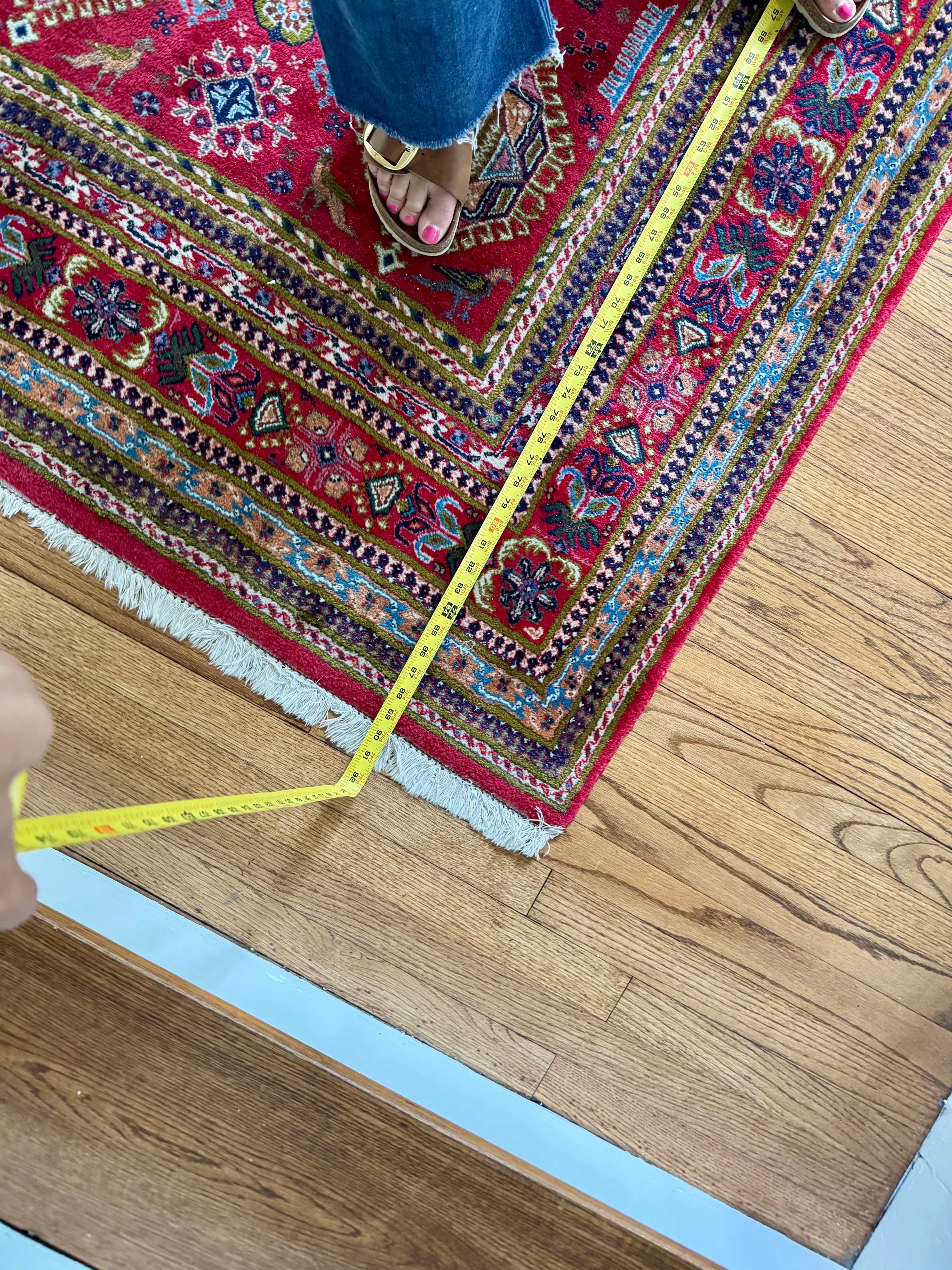
This one gets people ALL the time.
You read 8’ x 10’ and think:
Oh, that’s huge.
And then it arrives. 😂
For a living room, I’m not just measuring the empty floor. I’m looking at the whole furniture arrangement.
Where does the sofa sit?
Where are the chairs?
How much of each piece will actually sit on the rug?
I want the rug to help connect everything not look like a little island floating in the middle of the room.
And in a dining room?
Please pull the chairs out before you measure.
The table isn’t the footprint you need to worry about. The table plus people actually sitting around it is.
MEG TIP:
If you’re between two rug sizes, don’t automatically choose the smaller one because it feels safer.
A too-small rug can actually make the entire room feel smaller.
3. THE DINING TABLE: “IT FITS” IS ONLY THE BEGINNING.
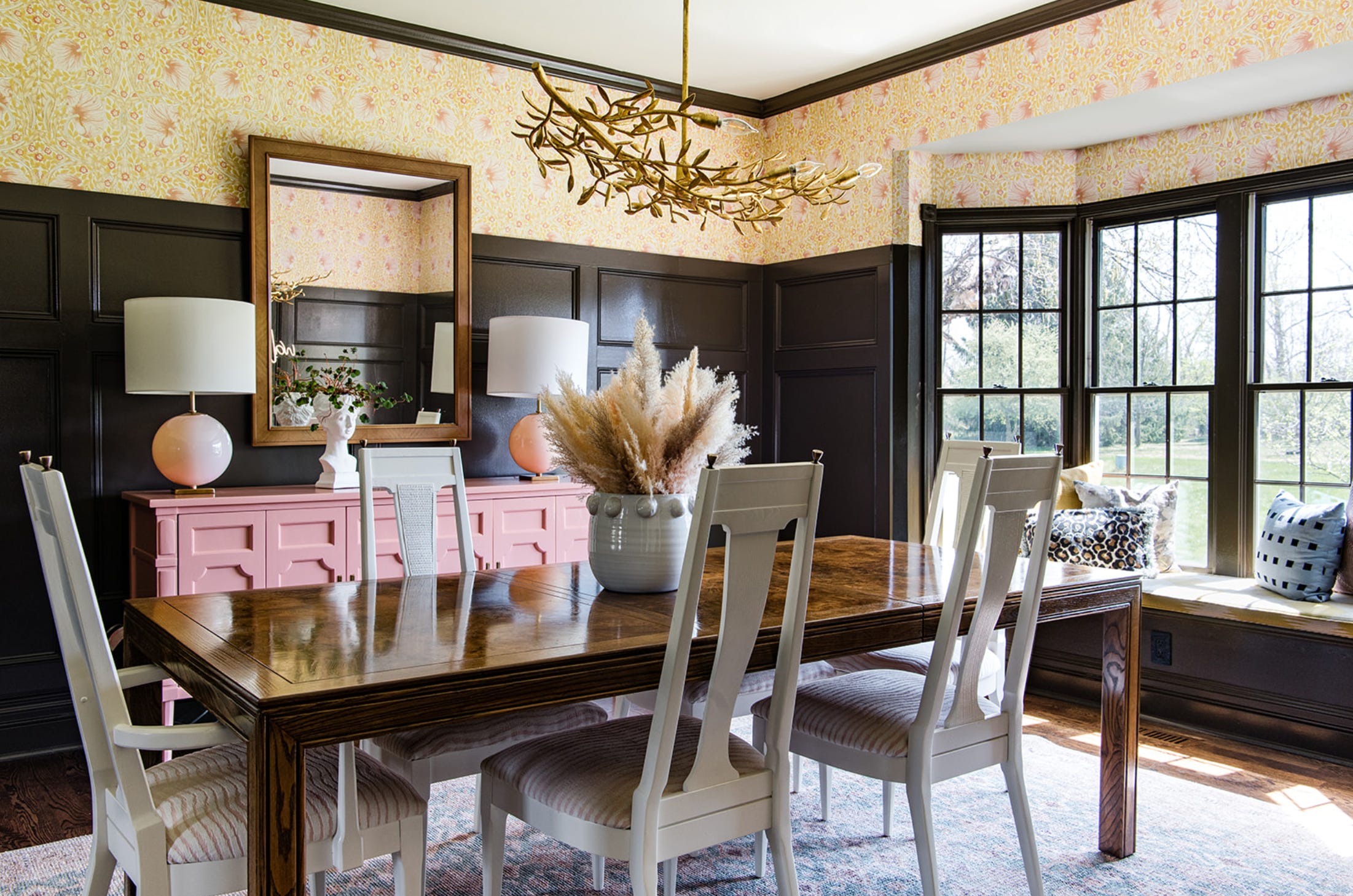
A dining table can technically fit in a room…
…and still be way too big for it.
You need room for the table.
Then the chairs.
Then the chairs pulled out.
And then you need someone to actually be able to walk behind those chairs.
Add a buffet or cabinet to the room and suddenly the measurements start getting a little more interesting.
This is another place where I love painter’s tape.
Tape out the table on the floor and actually move around it.
MEG TIP:
Don’t measure your dining room empty. Measure it like people are actually coming over. 😂
Pull the chairs out. Walk behind them. Open the buffet doors.
That’s the room you’re designing for.
4. THE CHANDELIER: SCALE CHANGES EVERYTHING.
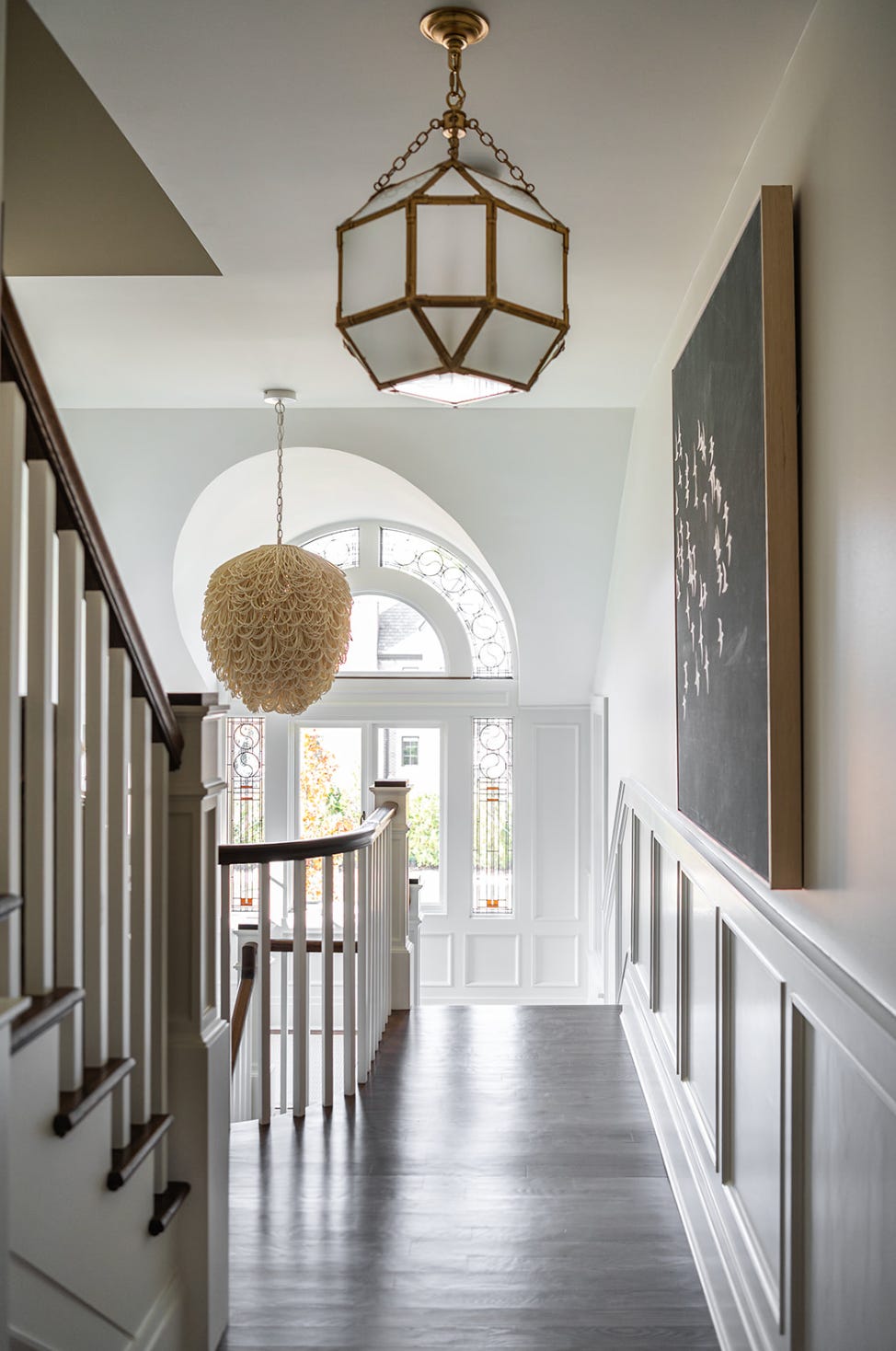
You know when you find a chandelier online and think:
Ohhhh, that’s BIG.
Then you look at the actual dimensions and realize it’s 18 inches wide. 😂
Product photos can make scale really hard to judge.
That’s why I always look at the actual measurements of a fixture not just the pretty picture.
For a dining room, I’m thinking about the size and shape of the table underneath it, the ceiling height, how low we’re hanging it and how much presence that room can handle.
A long dining table might need a longer linear fixture.
A large round table might need something with a little more visual weight.
And a lot of the time?
The fixture you’re worried is going to be too big is actually exactly what the room needs.
MEG TIP:
Mock it up.
Use tape. Cut out a rough cardboard shape. Hold something up there to understand the width.
Will your family wonder what you’re doing?
Probably.
But it works.
5. ART: 48 INCHES SOUNDS HUGE… UNTIL IT’S ON THE WALL.
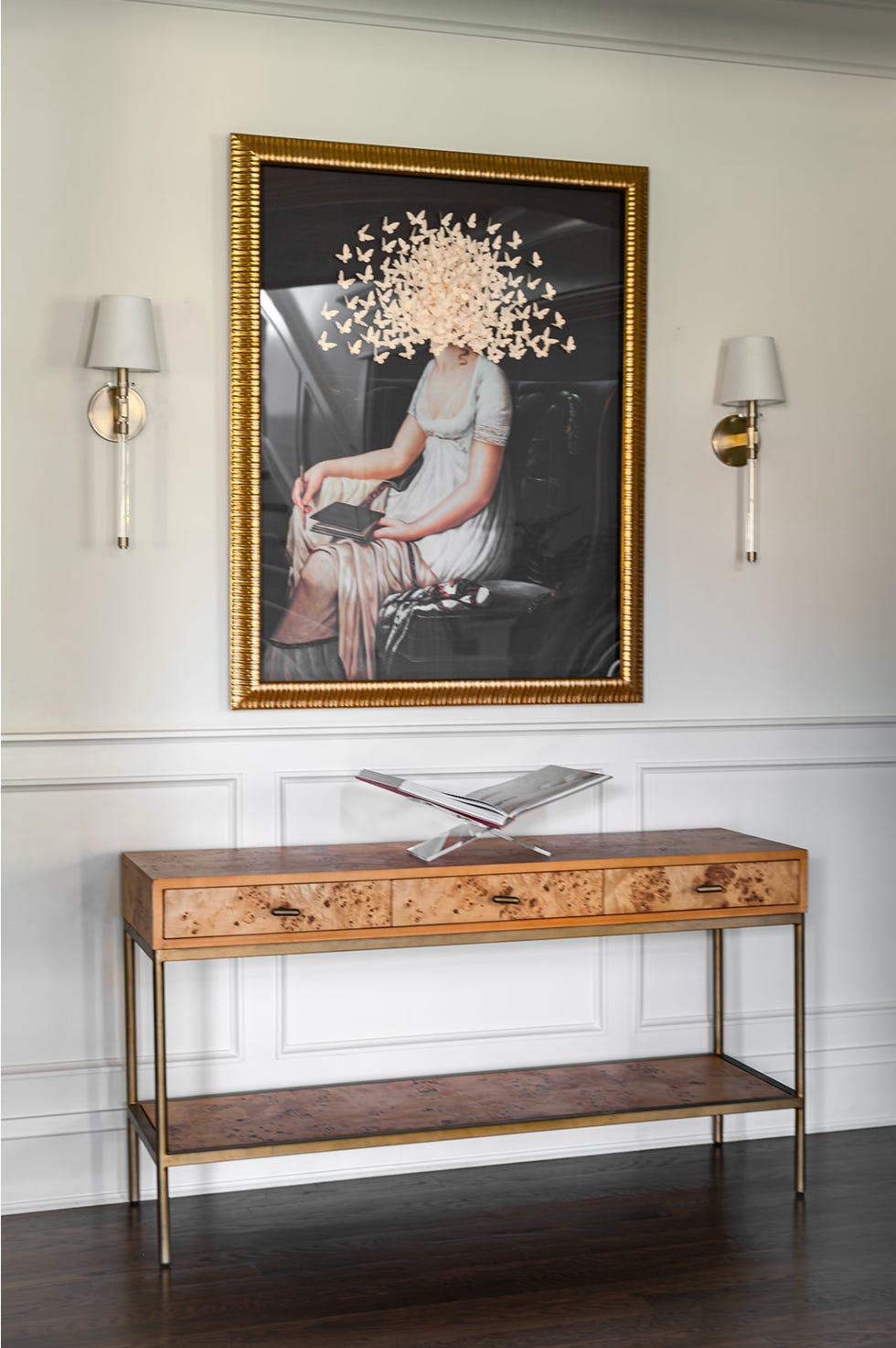
I hear this ALL the time:
“Meg, that sounds really big.”
Then we put it on the wall.
Oh.
Art is one of those things we tend to underestimate because a number can sound enormous until you see it surrounded by an entire room.
So yes, I’m measuring the wall.
But I’m also looking at what’s underneath the art.
A sofa. A bed. A buffet. A console.
The art needs to feel connected to the furniture around it not like a tiny postage stamp floating in the middle of a giant wall.
MEG TIP:
Painter’s tape wins again.
Tape the exact dimensions of the art onto your wall.
Then stand back.
Look at it from across the room. Take a picture on your phone.
You’ll usually know pretty quickly whether the scale feels right.
6. WINDOW TREATMENTS: PLEASE DON’T JUST MEASURE THE WINDOW.
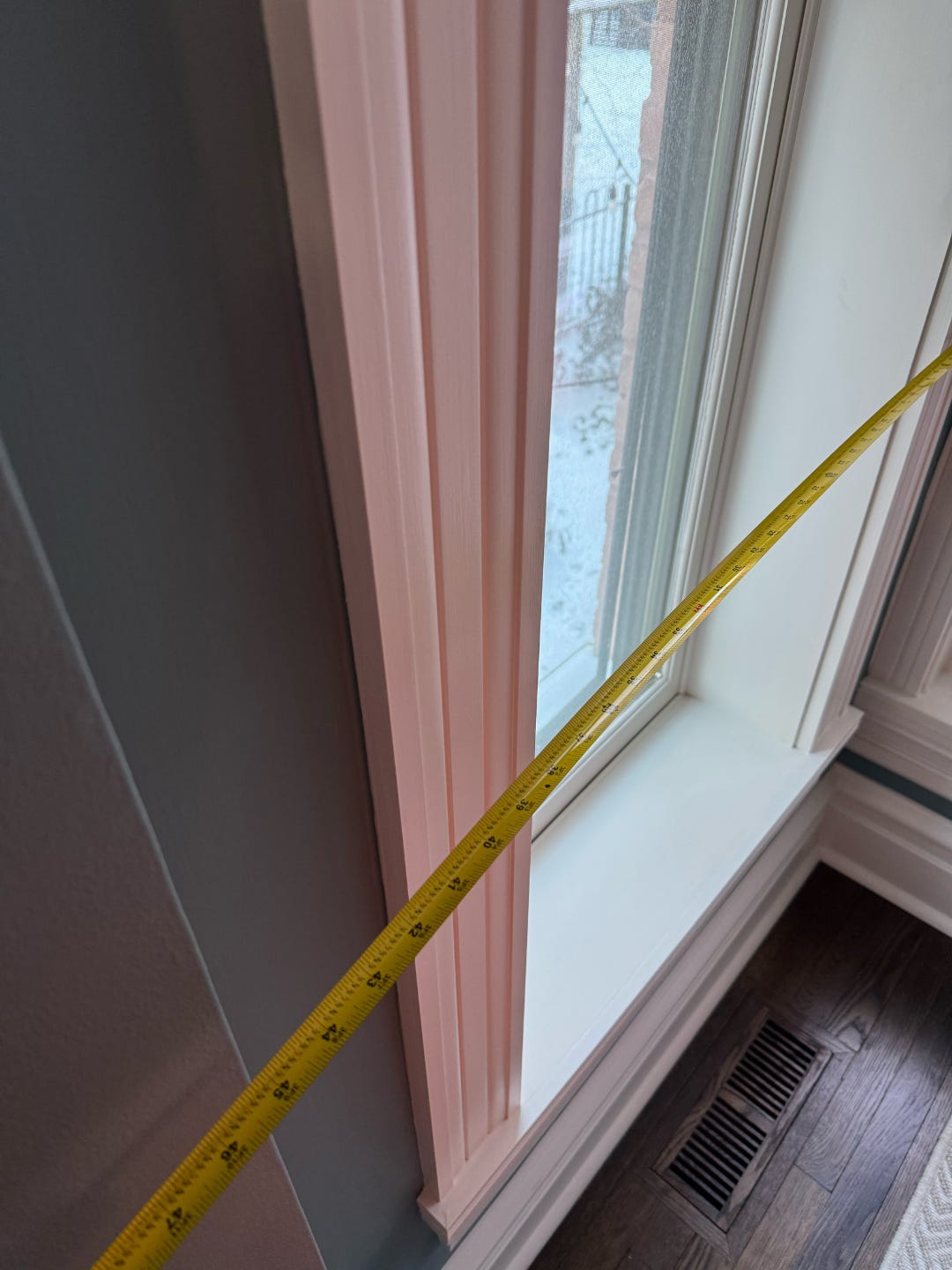
This is where measuring can get REALLY tricky.
Because the size of your actual window is only part of the equation.
Where are we hanging the rod?
How high?
How far should it extend beyond the window?
Where should the drapes hit the floor?
How full do we want them?
And if we’re doing a Roman shade, are we mounting it inside or outside the window frame?
All of those decisions change the measurements.
And unlike moving a pillow two inches to the left, this is one of those places where an inch can actually matter.
So if you’ve ever stood in front of your window with a tape measure wondering where exactly you’re supposed to start…
You’re not alone.
SO WHAT SHOULD YOU ACTUALLY BE MEASURING?
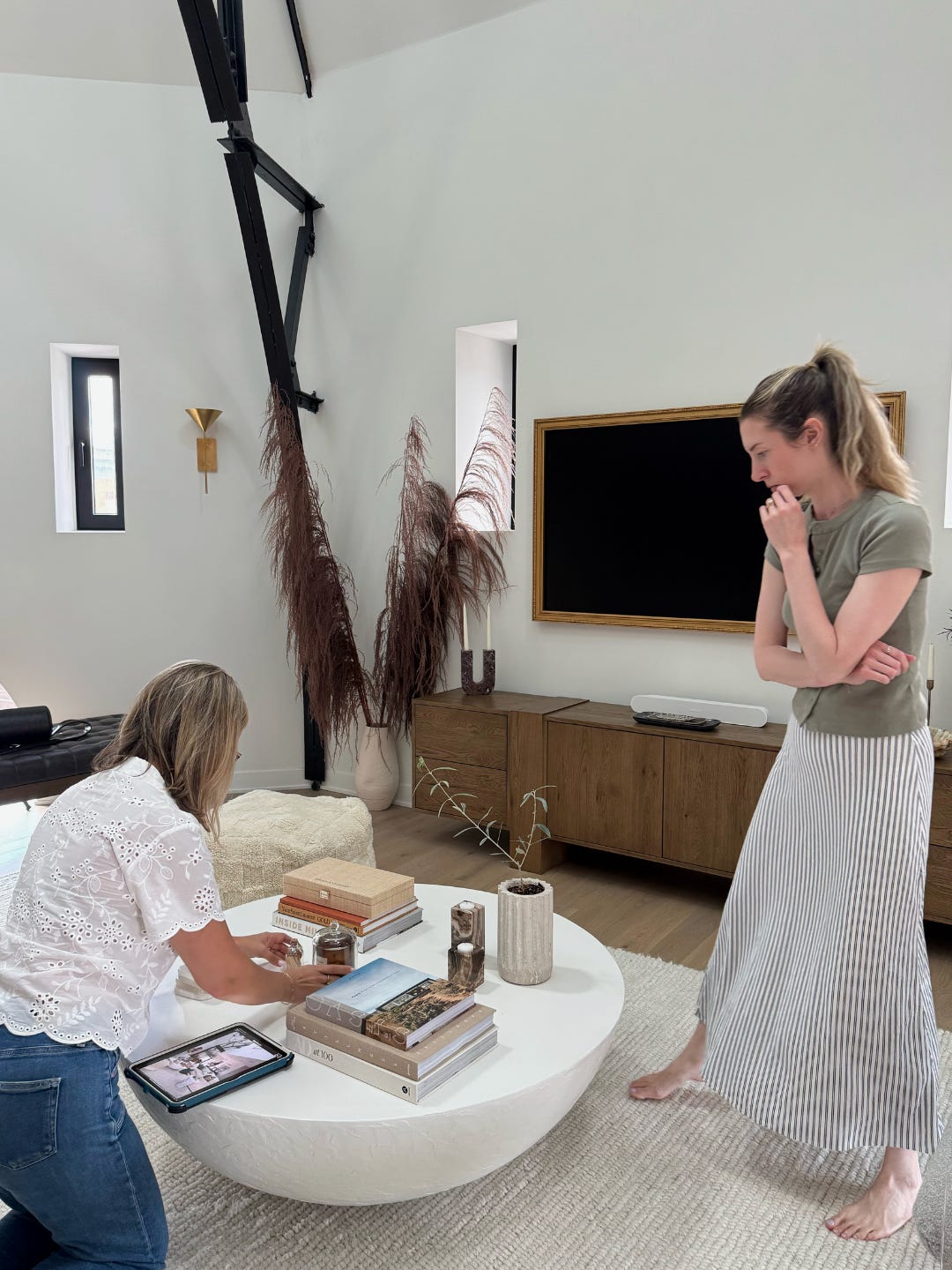
Here’s the biggest thing I want you to remember:
Don’t measure to find out if something fits. Measure to find out if it WORKS.
Think about how you actually live in the room.
Pull the dining chair out.
Open the cabinet door.
Walk behind the sofa.
Look at the chandelier from across the room.
Think about where your drapery is going to stack.
And yes…
Please make sure the sofa can get through the front door.
Because good design isn’t just about making everything technically fit.
It’s about making the room feel good when you actually live in it.
AND IF YOU’RE THINKING, “MEG, I DON’T EVEN KNOW WHERE TO START…”
You don’t need to know which measurements matter.
You don’t need to have the perfect floor plan.
And you definitely don’t need to order three rugs and hope one of them works. 😂
This is exactly what our Design Services team is here for.
We look at the whole room with you how you use it, what you already own, what you need, how everything should be laid out and, yes, all those measurements that are really easy to miss.
From furniture and rugs to lighting, art, window treatments, materials and the pieces you already own, we help figure out how everything works together before you start making expensive decisions.
Because sometimes the hardest part isn’t choosing between two sofas.
It’s knowing where to start in the first place.
And if that’s where you are right now?
START WITH US.
Xoxo,
Meg
Leave a comment